Ready to shape the future of real estate on a global scale? This international bachelor's program covers every facet of the industry, from innovative concepts to lifecycle management, and prepares you for a career in development, marketing, or management.

Facility & Real Estate Management
Bachelor's degree program
Overview
-
Qualification Level:
Stufe 1, Bachelor -
Price:
Euro 363,36* (excl. Student Union-fees) each semester -
Academic Degree:
Bachelor of Arts in Business (BA) -
Academic Program:
Full-time -
Language:
100 % English -
Remote Options:
E-Learning max. 30 % online -
Exchange Semester:
Organized stay abroad, 3rd semester** -
Admission Requirements:
General admission requirements -
Study Places per Year:
30
Study program accredited by the Agency for Quality Assurance and Accreditation Austria

Program Description


Our English-language bachelor's degree program in Facility & Real Estate Management prepares you for the global challenges of the international real estate industry.
You will acquire in-depth knowledge of sustainable building management, innovative real estate development, and digital technologies that are in demand worldwide. A semester abroad at a renowned partner university will strengthen your intercultural skills and expand your international network. Through practice-oriented projects, you will develop the ability to communicate in global teams and take on leadership roles in an international context. With topics such as sustainability, energy efficiency, and digital transformation, you will be well prepared for a career in the global real estate industry.
Study Focus
-
25 %
Technological basics of facility management & real estate management
-
18 %
Expertise in business & management
-
23 %
International expertise
-
7 %
Social skills
-
27 %
Practical knowledge transfer & Bachelor's thesis
What You Will Learn
-
Devise development and utilization concepts
-
Manage building operations and facility management
-
Value real estate and assess capital markets
-
Implement energy efficiency and circular economy
-
Apply AI-based data analysis
-
Evaluate building and service technologies
Popular Occupational Fields
- Real estate development
- Building operations & facility management
- Real estate valuation & analysis
- Marketing, utilization & leasing
- New build, conversion & renovation planning
Career Opportunities
-
EUR 42,200 average salary
for facility managers in Germany and Austria in 2024 (according to Kununu)
-
EUR 39,600 average salary
for property managers in Germany and Austria in 2024 (according to Kununu)
-
+ 6.2 % growth
in the global facility management market in 2023 (according to PWC, RealFM, Builtworld)
-
Significant business success
through effective facility management (according to PWC, RealFM, Builtworld)
The path to the Bachelor's Degree

Students gain foundational knowledge in real estate and facility management, construction technology, and business topics. The program includes specialization abroad, management skills, real estate development, practical projects, an internship, and a bachelor’s thesis with both applied and research-oriented approaches.
Special features:
-
Integrated semester abroad & experienced degree program team
-
Widespread network & company connections
-
Personal support from lecturers and the degree program team
Recognition of Prior Learning
Students have the option to receive credit for skills and competencies they have already acquired before the start of each semester.
To apply for credit, they must submit a request directly to the Director of Studies.
Director of Studies

Asc. Prof. (FH) Dipl.-Ing. Christian Huber
Director of Studies Bachelor & Master Energy & Sustainability Management, Facility & Real Estate Management | Institute for Sustain & Estate
Curriculum
Course
Semester
ECTS
Introduction to business administration:
- Definition and objectives of business administration
- Legal and organizational forms of companies
- Management functions: planning, organizing, leading, controlling
- Fundamentals of corporate governance and business ethics
Marketing & sales:
- Fundamentals of marketing and market segmentation
- Marketing mix: product, price, distribution, communication
- Market research and consumer behavior
Human resource management:
- Workforce planning, recruitment and staff development
- Motivation and leadership theories
- Performance appraisal and compensation
Procurement, production, logistics:
- Fundamentals of supply chain management
- Procurement and sourcing strategies
- Production systems and inventory management
Fundamentals of economics:
- Microeconomics: supply, demand and market equilibrium
- Elasticities, cost and production theory
- Macroeconomics: GDP, inflation, unemployment, fiscal and monetary policy
- Economic systems and world trade
Accounting and financial management:
- Introduction to double-entry bookkeeping
- Balance sheet, income statement and cash flow statement
- Cost and management accounting (cost types, cost centers, cost units)
- Investment appraisal (static and dynamic methods)
- Financing: equity and debt financing, capital structure
- Fundamentals, terminology and objectives of facility and real estate management
- Life cycle of buildings and facilities: planning, construction, operation, disposal
- Main areas of activity: technical, infrastructural and commercial facility management
- Stakeholders, roles and responsibilities in real estate operations
- Basic key figures for space, cost, energy and sustainability
- Case studies on assessing efficiency and performance
- Sustainability & ESG in building management
- International real estate markets and capital flows
- Market structures, players and investment vehicles
- Macroeconomic framework conditions
- Investment decisions and risk analysis
- Financing forms and capital-market instruments
- Global trends: ESG investments, sustainable finance, digitization in capital markets
- International case studies on real estate investments
- Fundamentals and instruments of real estate marketing
- Market and target-group analysis in national and international contexts
- Marketing strategies and positioning of real estate projects
- Communication policy: corporate communication, branding, public relations
- Digital marketing channels
- Design of property brochures, presentations and client dialogues
- Intercultural communication and value orientation in the global market
- Case studies of successful real estate marketing
- Fundamentals and phases of real estate project development
- Location, market and usage analysis
- Feasibility and viability assessment
- Introduction to construction and design principles (floor plan, room program, space efficiency, facade)
- Architecture and design concepts in the context of FM and operating costs
- Sustainability, ESG and life-cycle considerations in the design process
- Diversity and inclusion factors in project development
- Case studies of international real estate projects
- Fundamentals of real estate valuation
- Procedure and influencing factors of standardized valuation methods (comparative-value method, cost-value method, income-value method, DCF method, residual-value method)
- Introduction to the valuation of rights and encumbrances
- Fundamentals and objectives of workplace & space management
- Strategic space planning and space management processes
- Methods for space analysis, occupancy planning and utilization assessment
- Concepts of work environments
- Change management and user integration in space changes
- Economic and sustainability aspects (ESG, green building, WELL standard)
- Digital tools for space and workplace management
- International best-practice cases
- Fundamentals, objectives and tasks of corporate real estate management
- Real estate portfolio strategies and life-cycle management
- Location analysis, space management, workplace and new-work concepts
- Economic and risk assessment, key figures in CREM
- Sustainability, ESG and corporate social responsibility in real estate management
- Interfaces with facility management, controlling, HR and corporate strategy
Course
Semester
ECTS
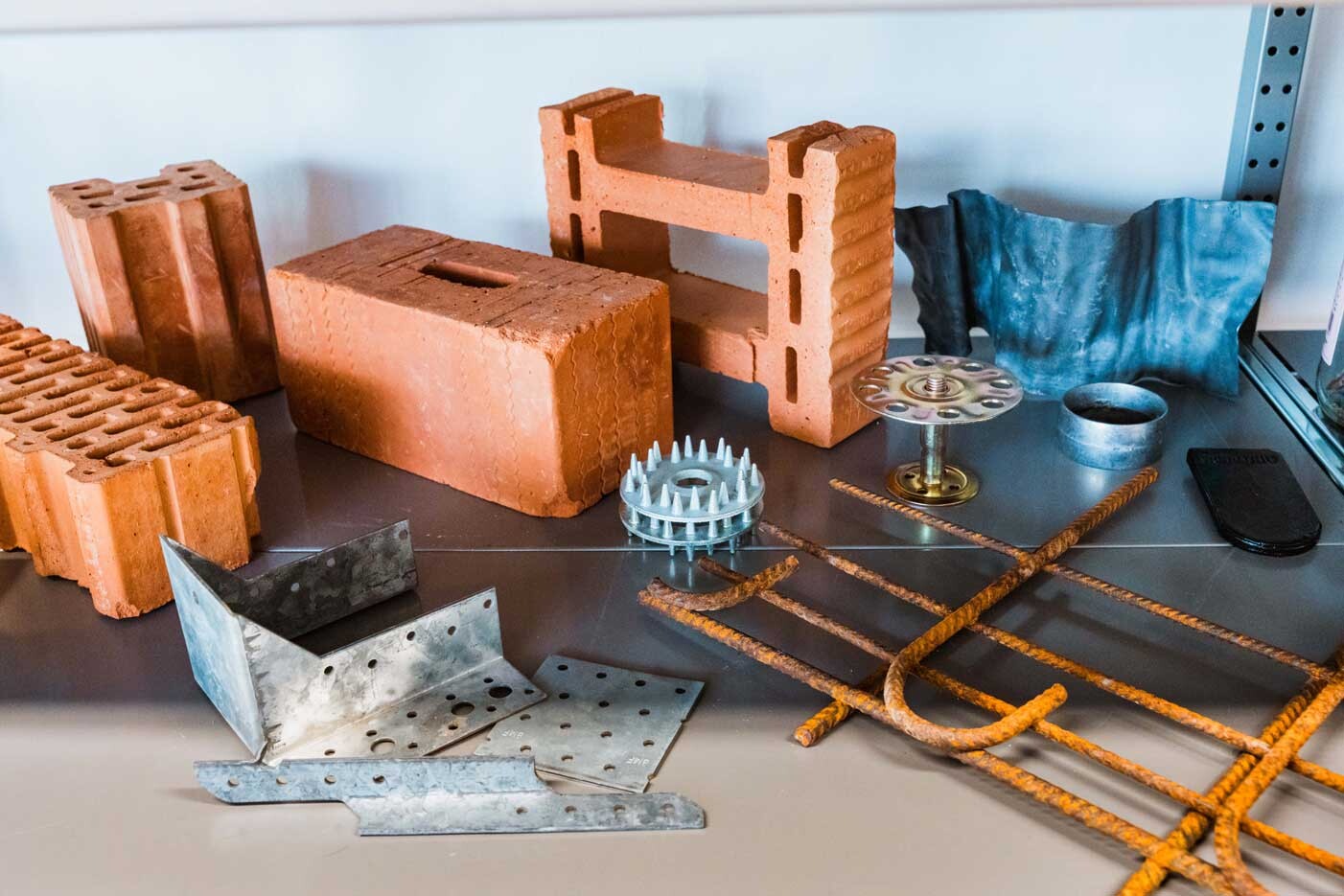
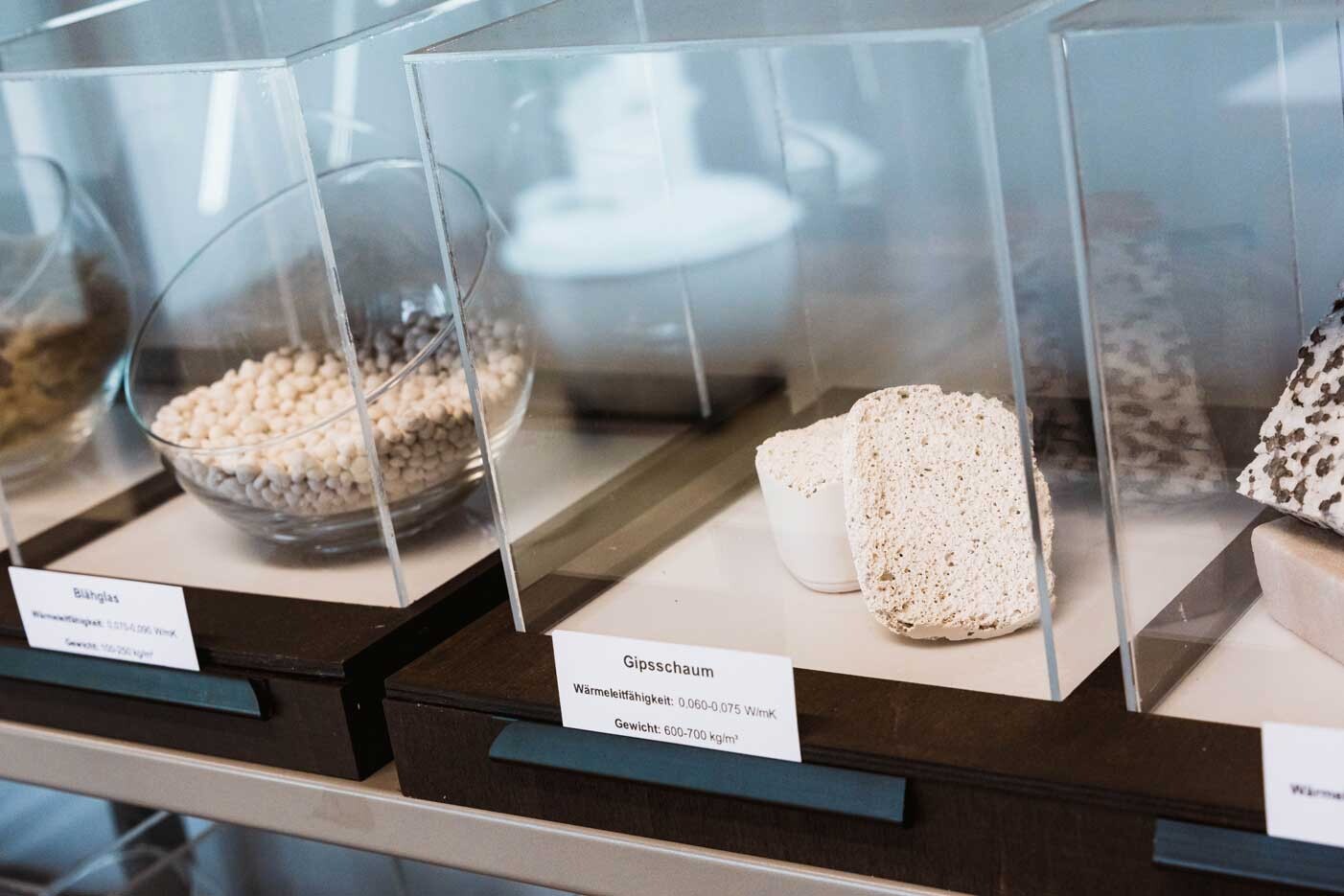
- Building materials science: mineral, metallic, organic and hybrid building materials
- Fundamental building physics processes: heat conduction, moisture diffusion, sound propagation, fire-protection principles
- Fundamentals of building construction: load-bearing principles, component assemblies, interfaces between materials
- Sustainability and life cycle aspects of building materials
- Introduction to simple calculation and verification methods (U-value, moisture, sound level)
- Material testing and evaluation
- Documentation and interpretation of technical data (tables, diagrams, drawings)
- Fundamentals of water supply and drainage technology in buildings
- Components and operating principles of drinking water, wastewater and rainwater systems
- Elevator, escalator and access systems: design, safety, control
- Hydraulic and physical fundamentals (pressure, flow, energy demand)
- Energy efficiency, hygiene, maintenance and life-cycle costs
- Sustainable water use (e.g. graywater, rainwater management)
- Interfaces with real estate development and facility management
- Fundamentals of computer-aided design and modeling (2D & 3D)
- Operating logic and functions of common CAD software
- Structure, layer organization and management of digital models
- Creation of technical drawings (floor plans, sections, elevations)
- Scales, symbols, dimensioning and drawing layout
- Data management, file formats and interfaces
- Introduction to model-based working
- Visualization and presentation of simple building models
- Introduction to digital tools and data management
- Introduction to programming and databases
- Data quality, error detection and cleaning
- Cloud and collaboration tools for data projects
- Data protection, data security and ethical aspects of data processing
- Fundamentals and strategies of maintenance
- Life cycle costing and economic evaluation of FM measures
- Sustainability and ESG aspects in maintenance management
- Digitization and predictive maintenance
- Documentation, reporting and key performance indicators
- International case studies from building operations and asset management
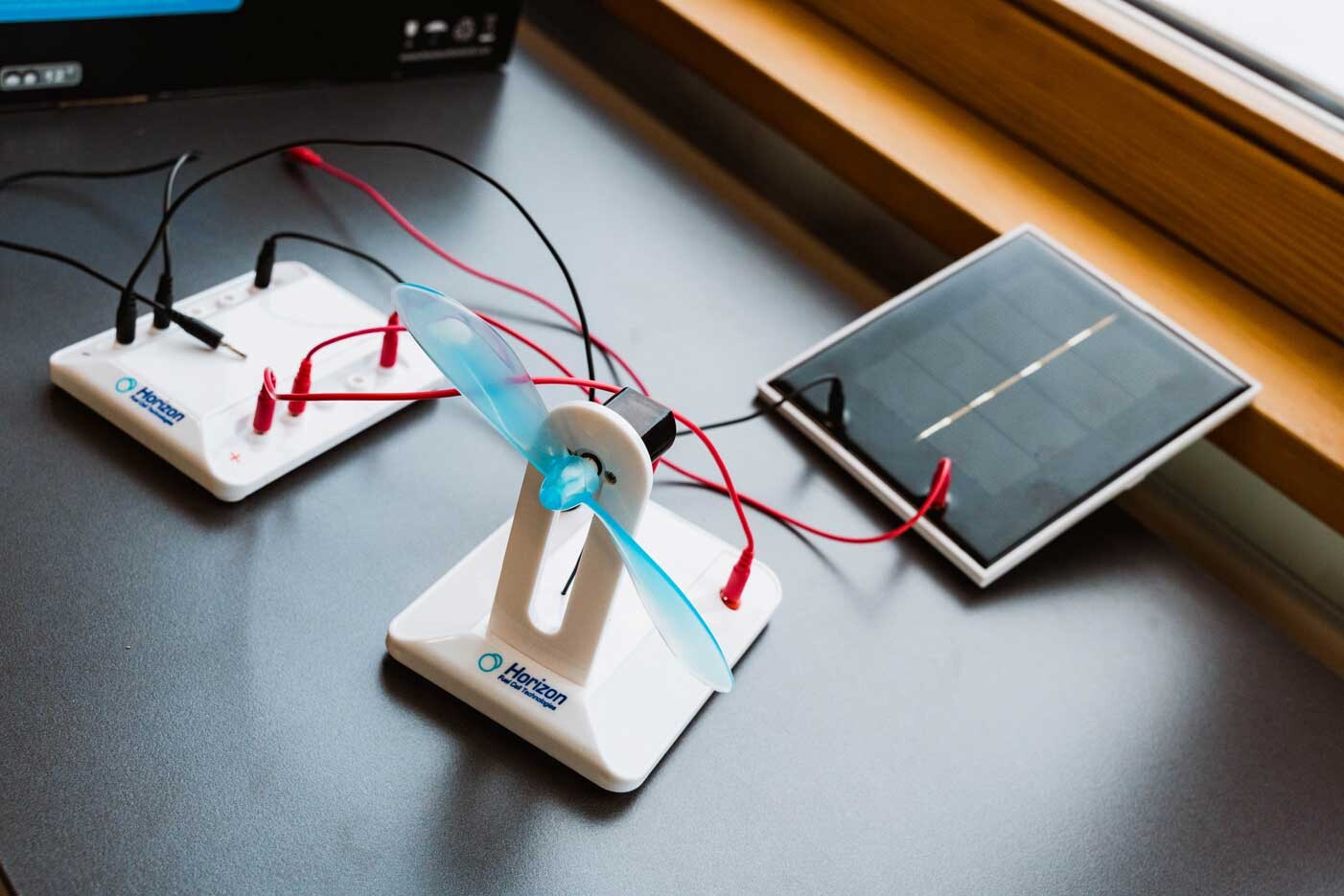
- Fundamentals of electrical engineering and electronics in the building context
- Design and analysis of simple electronic circuits
- Power supply and distribution systems
- Lighting installations and control systems
- Safety systems: fire detection, alarm, access control and video surveillance
- Emergency power and UPS systems, safety lighting
- Energy efficiency, sustainability and integration into building automation systems
- Fundamentals and process models of technical project management
- Project structuring, scheduling and resource planning
- Roles, responsibilities and communication within the project team
- Risk management, quality assurance, change control
- Digital tools
- Interdisciplinary and international project coordination
- Documentation and reporting of technical projects
- Fundamentals of heating, ventilation, air-conditioning and refrigeration technology (HVAC)
- Components and operating principles of building-services systems
- Energy efficiency, environmental aspects and sustainability in building-services systems
- Interface management between planning, operation and maintenance
- Digital tools and monitoring systems
- Fundamentals of data analytics in real estate and facility management
- Data types and data sources
- Data preparation, modeling and visualization
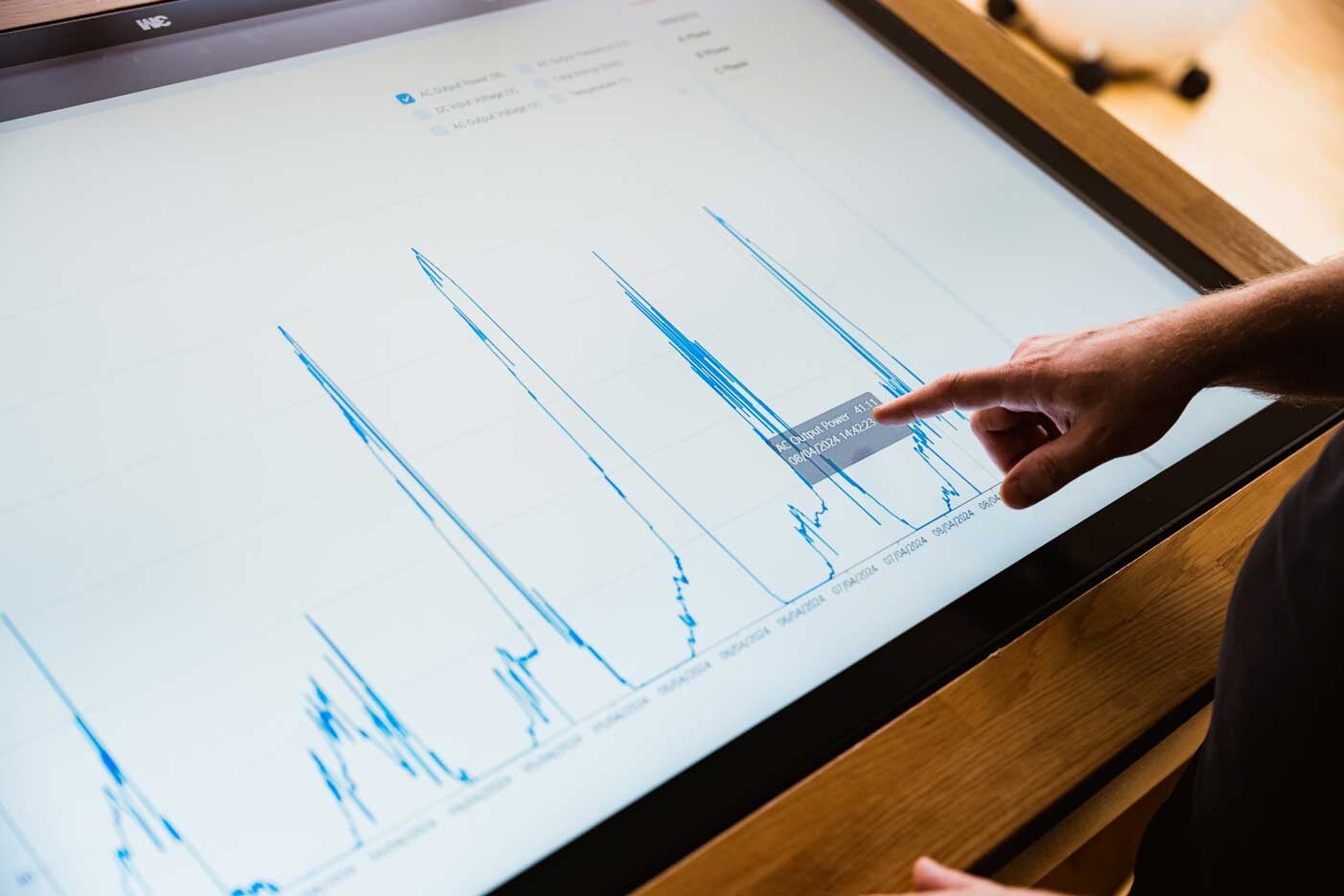
- Key figures, KPIs and dashboards for FM and CREM processes
- Data protection, data security and ethical aspects in data analysis
- Energy efficiency in building operations: analysis, monitoring and optimization
- Life cycle costs, CO₂ accounting and energy management systems
- Principles of the circular economy: material cycles, re-use & re-design
- Regulatory and normative fundamentals
- Practical examples of energy-efficiency projects and circular building concepts
Course
Semester
ECTS
This module is completed during the semester abroad at a partner university. It serves to specifically foster leadership skills, intercultural understanding and global competence. Students develop the ability to lead international teams, to make productive use of diversity and to critically reflect on their own leadership behavior, as well as to further develop their own work-life balance strategies.
The content is described as examples and can be covered by courses offered by the partner university:
- In-depth study of international and intercultural leadership
- Cultural dimensions and models
- Communication, trust and conflict management in international teams
- Leadership styles & global ethics
- Gender, diversity & inclusion in global contexts
- Personal leadership development and self-reflection
- International team development and virtual leadership
- Case studies of global organizations, NGOs and real estate companies
- European Union: institutions, legal sources and decision-making procedures
- Basics of the EU single market and freedom to provide services
- International commercial and contract law
- Fundamentals of liability law in the real estate and facility context
- ESG, environmental and occupational safety law from a European and international perspective
- Public procurement and compliance in the European market
- Corporate governance, ethics and human rights in global value chains
- International case studies
Course
Semester
ECTS
A1 – Beginner
Understand and use familiar, everyday expressions and very simple sentences aimed at satisfying concrete needs. Introduce oneself and others and ask other people questions about themselves - e.g. where they live, whom they know or what things they own - and answer questions of this kind. Communicate in a simple way, provided the conversation partners speak slowly and clearly and are willing to help.
A2 – Basic knowledge
Understand sentences and frequently used expressions related to areas of the most immediate relevance (e.g. personal and family information, shopping, work, the immediate surroundings). Communicate in simple, routine situations involving a straightforward and direct exchange of information about familiar and everyday matters. Describe, using simple terms, one's own background and education, the immediate surroundings and matters related to immediate needs.
B1 – Advanced language use
Use clear standard language in academic and business contexts, communicate about familiar matters from work, school, leisure, etc., and apply relevant conversational skills. Express oneself simply and coherently about familiar topics and areas of personal interest. Report on experiences and events, describe dreams, hopes and goals, and give brief reasons or explanations for plans and opinions.
B2 – Independent language use
Express oneself on the main content of complex texts on concrete and abstract topics in academic and business contexts; take part in specialist discussions in one's own field of expertise. Communicate spontaneously and fluently enough that a normal conversation with native speakers is quite possible without major effort on either side. Express oneself clearly and in detail on a wide range of topics, explain a viewpoint on a current issue and give the advantages and disadvantages of various options.
C1 – Proficient language use
Understand a wide range of demanding, longer texts and also grasp implicit meanings. Use the language effectively and flexibly in academic and business contexts and express oneself spontaneously and fluently without having to search noticeably for words too often. Express oneself clearly, in a well-structured and detailed manner on complex subjects, using various means of textual cohesion appropriately.
C2 – Near-native proficiency
Communicate effortlessly in all language situations. Summarize information from various written and spoken sources, reproducing reasons and explanations in a coherent presentation. Express oneself spontaneously, very fluently and precisely, and convey finer shades of meaning even in more complex situations.
This module is completed during the semester abroad at a partner university. It serves to broaden subject-specific, methodological, social and intercultural competence in an international academic environment. The thematic focus is on global markets, economic and societal transformation processes and their significance for facility and real estate management.
The content is described as examples and can be covered by courses offered by the partner university:
- Global economic and financial systems (world markets, trade, capital flows)
- International institutions and regulatory frameworks
- Global transformation processes
- Innovation, entrepreneurship and technology transfer in an international context
- Intercultural management and communication
- International case studies and project work on economic & transformation topics
This module is completed during the semester abroad at a partner university. It conveys theoretical and practical fundamentals of digital, technological and organizational innovations in global contexts.
Participants learn to understand, evaluate and critically apply innovation processes and smart systems.
The content is described as examples and can be covered by courses offered by the partner university:
- In-depth study of smart systems
- Digitization
- Innovation management, design thinking and agile methods
- International best practices
- Cybersecurity, data protection and ethical questions
- Interdisciplinary case studies on smart systems and technology transfer
- International FM models and organizational forms
- Global trends: digitization, sustainability, outsourcing, workplace experience
- International standards and certification systems
- Best-practice examples from international FM companies
- Visit or virtual collaboration with partner universities / international experts
- Project work on real-world case studies taking economics and ESG criteria into account
- Teamwork in interdisciplinary and intercultural groups
- Development and presentation of an innovative project concept
Course
Semester
ECTS
- Introduction & in-depth study of project- and lab-based work
- Fundamentals of methodical problem solving and creativity techniques
- Use of digital tools
- Introduction to documentation and presentation techniques
- Teamwork and communication in a project context
- Implementation of small practical tasks or micro-projects
- Reflection on work processes and self-organization
- Feedback and review rounds to improve results
- Fundamentals of academic work and principles of good academic practice
- Copyright, citation rules and plagiarism avoidance
- Structure of academic texts and the research process
- Introduction to empirical methods: qualitative and quantitative approaches
- Descriptive statistics and simple data analyses
- Use of digital tools and assistance systems
- Data visualization and documentation of results
- In-depth study of project- and lab-based work
- In-depth study of methodical problem solving and creativity techniques
- Use of digital tools
- In-depth study of documentation and presentation techniques
- Teamwork and communication in a project context
- Implementation of small practical tasks or micro-projects
- Reflection on work processes and self-organization
- Feedback and review rounds to improve results
Working independently in small groups, students carry out a project with a scope of 4 ECTS = 100h. This is based on a predefined objective. Planning, coordination, budgeting, control, communication and reporting, as well as finding solutions, are the responsibility of the students. The role of the course instructor focuses on coaching the students.
Working independently in small groups, students carry out a project with a scope of 4 ECTS = 100h. This is based on a predefined objective. Planning, coordination, budgeting, control, communication and reporting, as well as finding solutions, are the responsibility of the students. The role of the course instructor focuses on coaching the students.
Students gain insights into current topics, developments and research findings in facility and real estate management. Various experts from academia, industry and research provide practical impulses on innovation and transfer issues. The content is explored in greater depth through moderated discussions, fireside chats or field trips and reflected upon with regard to its significance for professional practice.
Topics covered include:
- current innovation and research trends in the sector
- examples of successful corporate and research collaborations
- approaches to knowledge and technology transfer
- sustainable and digital transformation processes in the real estate industry
- reflection on one's own learning and transfer processes in a professional context
As part of this module, the bachelor's thesis is written independently. Students work on a clearly defined research question on their own responsibility, applying suitable academic methods, systematically evaluate the findings obtained, and document the results in the form of an academic paper in accordance with the formal and substantive standards of the study program.
- Accompanying research seminar with peer feedback and presentations
- Discussion of research design, choice of methods and interpretation of results
- Reflection on practical relevance, transfer and limitations of the work
- Preparation of the final presentation & final examination
- Professional practical activity in a relevant company or organization
- Application of subject-specific, methodological and social competences in practice, including the use of individual work-life balance strategies and inclusive behaviors in the working environment
- Insights into operational processes, project management and decision-making structures
- Reflection on professional profiles, roles and expectations in facility and real estate management, including engagement with role models, diversity aspects and inclusive collaboration
- Preparation of an internship and reflection report that also documents personal insights on work-life balance and diversity in a real working context
Course
Semester
ECTS
- Fundamentals of intercultural communication
- Communication styles, value orientations and dealing with misunderstandings
- Team roles and decision-making processes in culturally diverse groups
- Intercultural conflict patterns and resolution strategies
- Building trust, empathy and perspective-taking in international contexts
- Diversity, inclusion and ethical dimensions of collaboration
- Reflecting on one's own cultural background and communication preferences
- Models and methods of workload and resource analysis (work-life balance)
- Mechanisms of gender roles, bias and structural disadvantage, as well as practical approaches to gender-inclusive design of work and learning environments
- Practical exercises on team building and collaboration in international settings
A1 – Beginner
Understand and use familiar, everyday expressions and very simple sentences aimed at satisfying concrete needs. Introduce oneself and others and ask other people questions about themselves - e.g. where they live, whom they know or what things they own - and answer questions of this kind. Communicate in a simple way, provided the conversation partners speak slowly and clearly and are willing to help.
A2 – Basic knowledge
Understand sentences and frequently used expressions related to areas of the most immediate relevance (e.g. personal and family information, shopping, work, the immediate surroundings). Communicate in simple, routine situations involving a straightforward and direct exchange of information about familiar and everyday matters. Describe, using simple terms, one's own background and education, the immediate surroundings and matters related to immediate needs.
B1 – Advanced language use
Use clear standard language in academic and business contexts, communicate about familiar matters from work, school, leisure, etc., and apply relevant conversational skills. Express oneself simply and coherently about familiar topics and areas of personal interest. Report on experiences and events, describe dreams, hopes and goals, and give brief reasons or explanations for plans and opinions.
B2 – Independent language use
Express oneself on the main content of complex texts on concrete and abstract topics in academic and business contexts; take part in specialist discussions in one's own field of expertise. Communicate spontaneously and fluently enough that a normal conversation with native speakers is quite possible without major effort on either side. Express oneself clearly and in detail on a wide range of topics, explain a viewpoint on a current issue and give the advantages and disadvantages of various options.
C1 – Proficient language use
Understand a wide range of demanding, longer texts and also grasp implicit meanings. Use the language effectively and flexibly in academic and business contexts and express oneself spontaneously and fluently without having to search noticeably for words too often. Express oneself clearly, in a well-structured and detailed manner on complex subjects, using various means of textual cohesion appropriately.
C2 – Near-native proficiency
Communicate effortlessly in all language situations. Summarize information from various written and spoken sources, reproducing reasons and explanations in a coherent presentation. Express oneself spontaneously, very fluently and precisely, and convey finer shades of meaning even in more complex situations.
Course
Semester
ECTS
Introduction to business administration:
- Definition and objectives of business administration
- Legal and organizational forms of companies
- Management functions: planning, organizing, leading, controlling
- Fundamentals of corporate governance and business ethics
Marketing & sales:
- Fundamentals of marketing and market segmentation
- Marketing mix: product, price, distribution, communication
- Market research and consumer behavior
Human resource management:
- Workforce planning, recruitment and staff development
- Motivation and leadership theories
- Performance appraisal and compensation
Procurement, production, logistics:
- Fundamentals of supply chain management
- Procurement and sourcing strategies
- Production systems and inventory management
Fundamentals of economics:
- Microeconomics: supply, demand and market equilibrium
- Elasticities, cost and production theory
- Macroeconomics: GDP, inflation, unemployment, fiscal and monetary policy
- Economic systems and world trade
Accounting and financial management:
- Introduction to double-entry bookkeeping
- Balance sheet, income statement and cash flow statement
- Cost and management accounting (cost types, cost centers, cost units)
- Investment appraisal (static and dynamic methods)
- Financing: equity and debt financing, capital structure
- Fundamentals, terminology and objectives of facility and real estate management
- Life cycle of buildings and facilities: planning, construction, operation, disposal
- Main areas of activity: technical, infrastructural and commercial facility management
- Stakeholders, roles and responsibilities in real estate operations
- Basic key figures for space, cost, energy and sustainability
- Case studies on assessing efficiency and performance
- Sustainability & ESG in building management
- Building materials science: mineral, metallic, organic and hybrid building materials
- Fundamental building physics processes: heat conduction, moisture diffusion, sound propagation, fire-protection principles
- Fundamentals of building construction: load-bearing principles, component assemblies, interfaces between materials
- Sustainability and life cycle aspects of building materials
- Introduction to simple calculation and verification methods (U-value, moisture, sound level)
- Material testing and evaluation
- Documentation and interpretation of technical data (tables, diagrams, drawings)
A1 – Beginner
Understand and use familiar, everyday expressions and very simple sentences aimed at satisfying concrete needs. Introduce oneself and others and ask other people questions about themselves - e.g. where they live, whom they know or what things they own - and answer questions of this kind. Communicate in a simple way, provided the conversation partners speak slowly and clearly and are willing to help.
A2 – Basic knowledge
Understand sentences and frequently used expressions related to areas of the most immediate relevance (e.g. personal and family information, shopping, work, the immediate surroundings). Communicate in simple, routine situations involving a straightforward and direct exchange of information about familiar and everyday matters. Describe, using simple terms, one's own background and education, the immediate surroundings and matters related to immediate needs.
B1 – Advanced language use
Use clear standard language in academic and business contexts, communicate about familiar matters from work, school, leisure, etc., and apply relevant conversational skills. Express oneself simply and coherently about familiar topics and areas of personal interest. Report on experiences and events, describe dreams, hopes and goals, and give brief reasons or explanations for plans and opinions.
B2 – Independent language use
Express oneself on the main content of complex texts on concrete and abstract topics in academic and business contexts; take part in specialist discussions in one's own field of expertise. Communicate spontaneously and fluently enough that a normal conversation with native speakers is quite possible without major effort on either side. Express oneself clearly and in detail on a wide range of topics, explain a viewpoint on a current issue and give the advantages and disadvantages of various options.
C1 – Proficient language use
Understand a wide range of demanding, longer texts and also grasp implicit meanings. Use the language effectively and flexibly in academic and business contexts and express oneself spontaneously and fluently without having to search noticeably for words too often. Express oneself clearly, in a well-structured and detailed manner on complex subjects, using various means of textual cohesion appropriately.
C2 – Near-native proficiency
Communicate effortlessly in all language situations. Summarize information from various written and spoken sources, reproducing reasons and explanations in a coherent presentation. Express oneself spontaneously, very fluently and precisely, and convey finer shades of meaning even in more complex situations.
- Introduction & in-depth study of project- and lab-based work
- Fundamentals of methodical problem solving and creativity techniques
- Use of digital tools
- Introduction to documentation and presentation techniques
- Teamwork and communication in a project context
- Implementation of small practical tasks or micro-projects
- Reflection on work processes and self-organization
- Feedback and review rounds to improve results
- Fundamentals of academic work and principles of good academic practice
- Copyright, citation rules and plagiarism avoidance
- Structure of academic texts and the research process
- Introduction to empirical methods: qualitative and quantitative approaches
- Descriptive statistics and simple data analyses
- Use of digital tools and assistance systems
- Data visualization and documentation of results
- Fundamentals of intercultural communication
- Communication styles, value orientations and dealing with misunderstandings
- Team roles and decision-making processes in culturally diverse groups
- Intercultural conflict patterns and resolution strategies
- Building trust, empathy and perspective-taking in international contexts
- Diversity, inclusion and ethical dimensions of collaboration
- Reflecting on one's own cultural background and communication preferences
- Models and methods of workload and resource analysis (work-life balance)
- Mechanisms of gender roles, bias and structural disadvantage, as well as practical approaches to gender-inclusive design of work and learning environments
- Practical exercises on team building and collaboration in international settings
Course
Semester
ECTS
- International real estate markets and capital flows
- Market structures, players and investment vehicles
- Macroeconomic framework conditions
- Investment decisions and risk analysis
- Financing forms and capital-market instruments
- Global trends: ESG investments, sustainable finance, digitization in capital markets
- International case studies on real estate investments
- Fundamentals and instruments of real estate marketing
- Market and target-group analysis in national and international contexts
- Marketing strategies and positioning of real estate projects
- Communication policy: corporate communication, branding, public relations
- Digital marketing channels
- Design of property brochures, presentations and client dialogues
- Intercultural communication and value orientation in the global market
- Case studies of successful real estate marketing
- Fundamentals of water supply and drainage technology in buildings
- Components and operating principles of drinking water, wastewater and rainwater systems
- Elevator, escalator and access systems: design, safety, control
- Hydraulic and physical fundamentals (pressure, flow, energy demand)
- Energy efficiency, hygiene, maintenance and life-cycle costs
- Sustainable water use (e.g. graywater, rainwater management)
- Interfaces with real estate development and facility management
- Fundamentals of computer-aided design and modeling (2D & 3D)
- Operating logic and functions of common CAD software
- Structure, layer organization and management of digital models
- Creation of technical drawings (floor plans, sections, elevations)
- Scales, symbols, dimensioning and drawing layout
- Data management, file formats and interfaces
- Introduction to model-based working
- Visualization and presentation of simple building models
- Introduction to digital tools and data management
- Introduction to programming and databases
- Data quality, error detection and cleaning
- Cloud and collaboration tools for data projects
- Data protection, data security and ethical aspects of data processing
- Fundamentals and strategies of maintenance
- Life cycle costing and economic evaluation of FM measures
- Sustainability and ESG aspects in maintenance management
- Digitization and predictive maintenance
- Documentation, reporting and key performance indicators
- International case studies from building operations and asset management
- In-depth study of project- and lab-based work
- In-depth study of methodical problem solving and creativity techniques
- Use of digital tools
- In-depth study of documentation and presentation techniques
- Teamwork and communication in a project context
- Implementation of small practical tasks or micro-projects
- Reflection on work processes and self-organization
- Feedback and review rounds to improve results
A1 – Beginner
Understand and use familiar, everyday expressions and very simple sentences aimed at satisfying concrete needs. Introduce oneself and others and ask other people questions about themselves - e.g. where they live, whom they know or what things they own - and answer questions of this kind. Communicate in a simple way, provided the conversation partners speak slowly and clearly and are willing to help.
A2 – Basic knowledge
Understand sentences and frequently used expressions related to areas of the most immediate relevance (e.g. personal and family information, shopping, work, the immediate surroundings). Communicate in simple, routine situations involving a straightforward and direct exchange of information about familiar and everyday matters. Describe, using simple terms, one's own background and education, the immediate surroundings and matters related to immediate needs.
B1 – Advanced language use
Use clear standard language in academic and business contexts, communicate about familiar matters from work, school, leisure, etc., and apply relevant conversational skills. Express oneself simply and coherently about familiar topics and areas of personal interest. Report on experiences and events, describe dreams, hopes and goals, and give brief reasons or explanations for plans and opinions.
B2 – Independent language use
Express oneself on the main content of complex texts on concrete and abstract topics in academic and business contexts; take part in specialist discussions in one's own field of expertise. Communicate spontaneously and fluently enough that a normal conversation with native speakers is quite possible without major effort on either side. Express oneself clearly and in detail on a wide range of topics, explain a viewpoint on a current issue and give the advantages and disadvantages of various options.
C1 – Proficient language use
Understand a wide range of demanding, longer texts and also grasp implicit meanings. Use the language effectively and flexibly in academic and business contexts and express oneself spontaneously and fluently without having to search noticeably for words too often. Express oneself clearly, in a well-structured and detailed manner on complex subjects, using various means of textual cohesion appropriately.
C2 – Near-native proficiency
Communicate effortlessly in all language situations. Summarize information from various written and spoken sources, reproducing reasons and explanations in a coherent presentation. Express oneself spontaneously, very fluently and precisely, and convey finer shades of meaning even in more complex situations.
Course
Semester
ECTS
This module is completed during the semester abroad at a partner university. It serves to specifically foster leadership skills, intercultural understanding and global competence. Students develop the ability to lead international teams, to make productive use of diversity and to critically reflect on their own leadership behavior, as well as to further develop their own work-life balance strategies.
The content is described as examples and can be covered by courses offered by the partner university:
- In-depth study of international and intercultural leadership
- Cultural dimensions and models
- Communication, trust and conflict management in international teams
- Leadership styles & global ethics
- Gender, diversity & inclusion in global contexts
- Personal leadership development and self-reflection
- International team development and virtual leadership
- Case studies of global organizations, NGOs and real estate companies
This module is completed during the semester abroad at a partner university. It serves to broaden subject-specific, methodological, social and intercultural competence in an international academic environment. The thematic focus is on global markets, economic and societal transformation processes and their significance for facility and real estate management.
The content is described as examples and can be covered by courses offered by the partner university:
- Global economic and financial systems (world markets, trade, capital flows)
- International institutions and regulatory frameworks
- Global transformation processes
- Innovation, entrepreneurship and technology transfer in an international context
- Intercultural management and communication
- International case studies and project work on economic & transformation topics
This module is completed during the semester abroad at a partner university. It conveys theoretical and practical fundamentals of digital, technological and organizational innovations in global contexts.
Participants learn to understand, evaluate and critically apply innovation processes and smart systems.
The content is described as examples and can be covered by courses offered by the partner university:
- In-depth study of smart systems
- Digitization
- Innovation management, design thinking and agile methods
- International best practices
- Cybersecurity, data protection and ethical questions
- Interdisciplinary case studies on smart systems and technology transfer
Course
Semester
ECTS
- Fundamentals and phases of real estate project development
- Location, market and usage analysis
- Feasibility and viability assessment
- Introduction to construction and design principles (floor plan, room program, space efficiency, facade)
- Architecture and design concepts in the context of FM and operating costs
- Sustainability, ESG and life-cycle considerations in the design process
- Diversity and inclusion factors in project development
- Case studies of international real estate projects
- Fundamentals of real estate valuation
- Procedure and influencing factors of standardized valuation methods (comparative-value method, cost-value method, income-value method, DCF method, residual-value method)
- Introduction to the valuation of rights and encumbrances
- Fundamentals and objectives of workplace & space management
- Strategic space planning and space management processes
- Methods for space analysis, occupancy planning and utilization assessment
- Concepts of work environments
- Change management and user integration in space changes
- Economic and sustainability aspects (ESG, green building, WELL standard)
- Digital tools for space and workplace management
- International best-practice cases
- Fundamentals of electrical engineering and electronics in the building context
- Design and analysis of simple electronic circuits
- Power supply and distribution systems
- Lighting installations and control systems
- Safety systems: fire detection, alarm, access control and video surveillance
- Emergency power and UPS systems, safety lighting
- Energy efficiency, sustainability and integration into building automation systems
- Fundamentals and process models of technical project management
- Project structuring, scheduling and resource planning
- Roles, responsibilities and communication within the project team
- Risk management, quality assurance, change control
- Digital tools
- Interdisciplinary and international project coordination
- Documentation and reporting of technical projects
- European Union: institutions, legal sources and decision-making procedures
- Basics of the EU single market and freedom to provide services
- International commercial and contract law
- Fundamentals of liability law in the real estate and facility context
- ESG, environmental and occupational safety law from a European and international perspective
- Public procurement and compliance in the European market
- Corporate governance, ethics and human rights in global value chains
- International case studies
Working independently in small groups, students carry out a project with a scope of 4 ECTS = 100h. This is based on a predefined objective. Planning, coordination, budgeting, control, communication and reporting, as well as finding solutions, are the responsibility of the students. The role of the course instructor focuses on coaching the students.
Course
Semester
ECTS
- Fundamentals, objectives and tasks of corporate real estate management
- Real estate portfolio strategies and life-cycle management
- Location analysis, space management, workplace and new-work concepts
- Economic and risk assessment, key figures in CREM
- Sustainability, ESG and corporate social responsibility in real estate management
- Interfaces with facility management, controlling, HR and corporate strategy
- Fundamentals of heating, ventilation, air-conditioning and refrigeration technology (HVAC)
- Components and operating principles of building-services systems
- Energy efficiency, environmental aspects and sustainability in building-services systems
- Interface management between planning, operation and maintenance
- Digital tools and monitoring systems
- Fundamentals of data analytics in real estate and facility management
- Data types and data sources
- Data preparation, modeling and visualization
- Key figures, KPIs and dashboards for FM and CREM processes
- Data protection, data security and ethical aspects in data analysis
- Energy efficiency in building operations: analysis, monitoring and optimization
- Life cycle costs, CO₂ accounting and energy management systems
- Principles of the circular economy: material cycles, re-use & re-design
- Regulatory and normative fundamentals
- Practical examples of energy-efficiency projects and circular building concepts
- International FM models and organizational forms
- Global trends: digitization, sustainability, outsourcing, workplace experience
- International standards and certification systems
- Best-practice examples from international FM companies
- Visit or virtual collaboration with partner universities / international experts
- Project work on real-world case studies taking economics and ESG criteria into account
- Teamwork in interdisciplinary and intercultural groups
- Development and presentation of an innovative project concept
Working independently in small groups, students carry out a project with a scope of 4 ECTS = 100h. This is based on a predefined objective. Planning, coordination, budgeting, control, communication and reporting, as well as finding solutions, are the responsibility of the students. The role of the course instructor focuses on coaching the students.
Students gain insights into current topics, developments and research findings in facility and real estate management. Various experts from academia, industry and research provide practical impulses on innovation and transfer issues. The content is explored in greater depth through moderated discussions, fireside chats or field trips and reflected upon with regard to its significance for professional practice.
Topics covered include:
- current innovation and research trends in the sector
- examples of successful corporate and research collaborations
- approaches to knowledge and technology transfer
- sustainable and digital transformation processes in the real estate industry
- reflection on one's own learning and transfer processes in a professional context
Course
Semester
ECTS
As part of this module, the bachelor's thesis is written independently. Students work on a clearly defined research question on their own responsibility, applying suitable academic methods, systematically evaluate the findings obtained, and document the results in the form of an academic paper in accordance with the formal and substantive standards of the study program.
- Accompanying research seminar with peer feedback and presentations
- Discussion of research design, choice of methods and interpretation of results
- Reflection on practical relevance, transfer and limitations of the work
- Preparation of the final presentation & final examination
- Professional practical activity in a relevant company or organization
- Application of subject-specific, methodological and social competences in practice, including the use of individual work-life balance strategies and inclusive behaviors in the working environment
- Insights into operational processes, project management and decision-making structures
- Reflection on professional profiles, roles and expectations in facility and real estate management, including engagement with role models, diversity aspects and inclusive collaboration
- Preparation of an internship and reflection report that also documents personal insights on work-life balance and diversity in a real working context
Study regulations to download
-
Facility & Real Estate Management
in effect since May 06, 2026, start of study program from academic year 2027/28
- All study regulations
Frequently Asked Questions
Do I need technical background knowledge or a technical/vocational school-leaving qualification to study in the field of Facility Management?
No. This bachelor's program is designed as an entry-level degree and specifically welcomes students without any technical background — regardless of which school-leaving qualification you hold, whether that's a Matura, an Abitur, or an equivalent secondary qualification from your home country. All the construction- and building-technology fundamentals you'll need — from construction engineering to building systems and energy management — are taught from the ground up during the program. A technical or vocational qualification is not required.
Instead, the focus is on building strong organizational and communication skills alongside solid business fundamentals for real-world practice in facility and real estate management. That makes this program a great fit for graduates of business-, commerce-, or communication-oriented school tracks who want to launch their career in the real estate industry right after graduation — whether you're joining full-time or as a working professional.
What is the job market like in Real Estate and Facility Management?
The facility and building management market in particular is experiencing very high demand and a major shortage of skilled workers. Increasing environmental and climate requirements as well as the need for new working environments and digitalization offer very good and long-term career opportunities.
What career opportunities and unique features does the Facility Management & Real Estate degree program offer?What career opportunities and unique features does the Facility Management & Real Estate degree program offer?
This degree program in facility management and real estate offers excellent job prospects in a future-proof field: a strong practical focus and contact with corporate networks from the very first semester prepare you specifically for your career start. Compared to other degree programs, this program stands out with its broad skill set centered on real estate – combining communication, social skills, business, and technology.
Is the program practice-oriented – with excursions, hands-on projects, and contact with companies?
Yes. Excursions, hands-on projects, and fireside chats with industry experts create a practice-oriented learning environment. You’ll build connections with start-ups and companies along the way, laying the groundwork for a professional network before you even graduate.
Where can I spend the semester abroad?
We have over 250 partner universities worldwide from which our students can choose. Some partner universities are particularly suitable for students from this degree program, as they offer further content and thus allow students to deepen their skills even further.